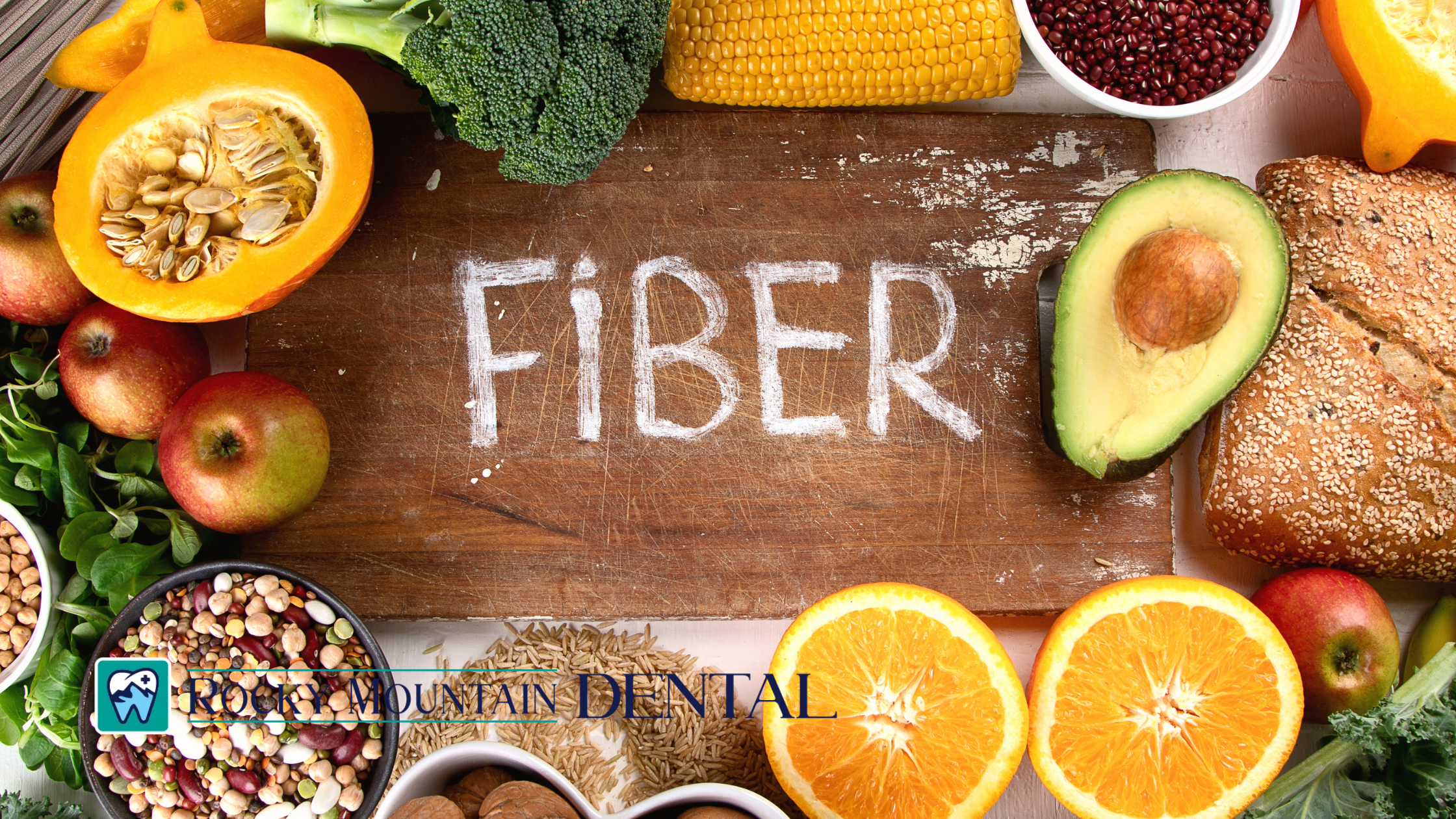
Many people overlook the impact of fiber on their oral health, yet it plays a significant role in maintaining the integrity of your oral tissues. As you incorporate more fiber into your diet, you support digestion and may also help promote healthier gums, contributing to a lower risk of periodontal issues when combined with good oral hygiene.
This blog post will explore how fiber-rich foods can benefit your oral tissues, promote healthier gums, and contribute to your overall dental wellness. You’ll discover practical tips to boost your fiber intake for a healthier mouth.
Key Takeaways:
- Fiber-rich foods boost saliva, cleanse teeth, and support healthy gums.
- Certain fibers support beneficial oral bacteria and may help neutralize harmful acids.
- Fiber aids oral health but does not replace brushing or flossing.
The Unique Composition of Dietary Fiber
Dietary fiber comprises a range of plant-derived carbohydrates that the body cannot digest. This complex substance consists primarily of cellulose, hemicellulose, pectin, and lignin, each contributing differently to your digestive and oral health by promoting chewing and supporting microbiome balance.
By incorporating a variety of fiber sources into your diet, you benefit from the diverse properties of these components, promoting optimal gut and oral health. Foods rich in fiber, such as fruits, vegetables, whole grains, and legumes provide crucial nutrients while also facilitating the maintenance of healthy oral tissues.
“Chewing fibrous foods not only strengthens your jaw and gums but also helps massage and stimulate blood flow to the tissues around your teeth, promoting long-term oral health.” – Dr. Anand Choubal, Dentist in 210 Bear St, Banff, AB
Soluble vs. Insoluble Fiber: Key Differences
Soluble fiber, often found in fruits, can stimulate saliva production, which helps rinse the mouth and neutralize acids, while insoluble fiber encourages chewing that mechanically cleans the teeth. In contrast, insoluble fiber does not dissolve in water and adds bulk to the stool, promoting regular bowel movements.
Foods such as oats and beans are high in soluble fiber, while whole grains, nuts, and leafy vegetables are rich in insoluble fiber. Understanding these distinctions helps you make better dietary choices to support both digestion and oral wellness.
How Different Fiber Types Influence Oral Health
Different types of fiber can significantly impact oral health by promoting saliva production and supporting the growth of beneficial bacteria. Soluble fiber, often found in fruits, helps to rinse the mouth and neutralize acids, while insoluble fiber encourages chewing, promoting saliva flow and naturally cleaning the teeth.
“Think of fiber-rich foods as nature’s toothbrush—every bite helps sweep away food particles while boosting saliva production, your mouth’s natural defense against plaque and acidity.” – Dr. Anand Choubal, Dentist in 210 Bear St, Banff, AB
This combination works to protect against cavities and gum disease, showcasing how dietary choices resonate with your dental health.
- Fiber-rich foods stimulate saliva production.
- Insoluble fiber aids in natural tooth cleaning through chewing.
- Fiber promotes the growth of good bacteria.
- Soluble fiber can stimulate saliva, which helps neutralize harmful acids.
- Including various fiber types supports overall oral health.
Knowing these facts can help you make informed dietary choices for your oral health.
| Fiber Type | Benefits for Oral Health |
| Soluble Fiber | Neutralizes oral acids |
| Insoluble Fiber | Encourages thorough chewing |
| Fruits | Stimulates saliva production |
| Vegetables | Promote chewing and mechanical cleansing |
| Whole Grains | Supports beneficial bacteria |
Integrating different types of fiber into your diet can enhance oral health significantly. When you chew fibrous foods, you help break down food particles, reducing the risk of plaque buildup.
“Fiber-rich foods also encourage the growth of beneficial bacteria in your mouth, creating a balanced microbiome that protects your teeth and gums from harmful strains.” – Dr. Anand Choubal, Dentist in 210 Bear St, Banff, AB
Additionally, certain fibers can act prebiotically, providing nourishment to the beneficial bacteria in your mouth. This process creates an environment less conducive to harmful bacteria, ultimately promoting a healthier mouth and smile.
- Chewing fiber-rich foods enhances saliva flow.
- Fruits help rinse the mouth and neutralize acids.
- Regular consumption supports beneficial oral bacteria.
- Natural abrasive textures combat plaque accumulation.
- Balanced fiber intake is integral to overall mouth wellness.
Knowing this, you can see fiber’s many roles in your diet, including oral health and digestion.
| Food Type | Example |
| Fruits | Apples |
| Vegetables | Carrots |
| Whole Grains | Barley |
| Nuts | Almonds |
| Legumes | Chickpeas |
Fiber’s Role in Maintaining Gum Health
Gum health greatly benefits from fiber-rich foods. Incorporating fiber into your diet can help lower the risk of gum disease by fostering a healthier environment for oral tissue. Foods such as apples, pears, and leafy greens can stimulate saliva production, which naturally washes away harmful bacteria and food particles.
Chewing fibrous foods may help stimulate gum tissues and encourage saliva flow, both of which support gum health. A diet high in fiber nurtures your digestive health and reflects positively on your oral tissues as well.
Reducing Inflammation through Dietary Choices
Your dietary choices have a direct impact on inflammation levels in the body, including your gums. Foods rich in fiber, particularly those high in soluble fiber, can help to decrease inflammatory markers.
Including flaxseeds, legumes, and whole grains in your meals can provide important nutrients and antioxidants that combat inflammation. When you focus on a fiber-rich diet, you support not just your digestion but also play a vital role in maintaining gum health.
Fiber as a Natural Cleaner for Teeth and Gums
Chewing fiber-rich foods can help remove some food debris and stimulate saliva flow, which supports oral hygiene. The fibrous texture of fruits and vegetables scrubs the surfaces of your teeth, promoting dental hygiene while also stimulating your gums.
This mechanical cleaning action helps remove plaque and reduces the likelihood of cavities, creating a healthier oral environment over time. By incorporating high-fiber foods into your diet, you give your mouth a daily workout that encourages optimal oral health.
This natural cleaning effect of fiber is particularly significant when it comes to maintaining a healthy dental routine. For instance, chewing on raw carrots or celery can dislodge stubborn particles stuck between your teeth, effectively reducing plaque before it can harden.
Additionally, the saliva generated while consuming these foods carries minerals that can help strengthen your enamel, offering a protective aspect to your teeth as well. As a result, integrating fiber into your daily meals paves the way for not just healthier gums but also a brighter smile.
The Connection Between Fiber and Oral Microbiome
Your oral microbiome is sensitive to dietary choices, with fiber playing a pivotal role in maintaining its balance. A diverse microbiome fosters a healthy environment, where beneficial bacteria thrive.
When you consume fiber-rich foods, their prebiotic properties support the growth of beneficial microbial strains in the mouth.
How Fiber Fuels Beneficial Bacteria
Balancing Oral Microbiota for Optimal Health
A balanced oral microbiota is vital for preventing conditions like cavities and gum disease. Incorporating various sources of dietary fiber into your meals encourages this balance, as different fibers promote the growth of specific microbial populations.
For example, consuming a mix of soluble and insoluble fibers from fruits, vegetables, and whole grains can enhance the diversity of your oral microbiome, effectively lowering the risk of dysbiosis—a state where harmful bacteria overshadow the beneficial ones.
Maintaining this balance is not just about fiber alone; your overall diet plays a significant role. A diet rich in fruits and vegetables offers diverse fibrous compounds that nourish different strains of bacteria.
Additionally, avoiding excessive sugar and processed foods helps reduce the growth of harmful bacteria. By being mindful of your fiber intake and the types of foods you consume, you can support a thriving oral microbiome and enhance your oral tissue health.
Practical Strategies for Incorporating Fiber into Your Diet
Enhancing your fiber intake can be simple and enjoyable. Start by introducing whole grains, legumes, fruits, and vegetables into every meal.
Choose raw vegetables or whole fruits over processed snacks to boost fiber intake and support oral health. You can substitute white rice with brown rice or quinoa for added texture and flavor.
Choose high-fiber cereals or oatmeal to invigorate your day. Experiment with fiber-rich recipes to find what you love most, making this dietary change a delicious journey.
High-Fiber Foods That Support Oral Health
Incorporating high-fiber foods like apples, carrots, and leafy greens can enhance your oral health. These crunchy foods require more chewing, stimulating saliva production that helps neutralize acids and wash away food particles.
Nuts and seeds also provide fiber and necessary nutrients that strengthen gum health. Whole grains, such as oats and barley, create a satisfying fullness, reducing the need for sugary snacks that can harm your teeth.
Including these foods in your diet promotes fiber intake and contributes positively to your dental well-being.
Meal Planning Tips for Better Dental Outcomes
Strategizing your meals is an effective way to enhance dental health through fiber. Begin the week by planning fiber-rich breakfasts, lunches, and dinners to ensure a balanced intake.
Incorporate snacks that are both satisfying and beneficial, such as hummus with vegetable sticks or whole-grain crackers with cheese. Aim to include fiber from multiple sources each day, creating a variety of flavors and textures.
You might also find it helpful to prepare simple, high-fiber recipes in advance for quick meals throughout the week.
- Designate a day each week for meal prep to save time.
- Include a fiber source in each meal, like beans or whole grains.
- Mix different colors of vegetables for added nutrients.
- Try new recipes featuring high-fiber ingredients regularly.
Meal planning not only eases the process of incorporating more fiber but also enhances your awareness of nutrient sources. By allocating specific days for shopping and preparation, you ensure your meals are high in fiber without spontaneous unhealthy choices.
Diversifying your meals keeps your palate engaged, as bright, colorful dishes often reflect a wider array of nutrients. Evaluating your progress through a meal journal can also help you track fiber intake and dental outcomes, allowing for necessary adjustments in your strategy.
- Create themed nights, such as taco night featuring lentils or quinoa.
- Introduce fiber-rich smoothies with spinach, berries, and flaxseed.
- Experiment with whole-grain pasta for a familiar comfort food.
- Incorporate seasonal fruits and vegetables for variety.
- Perceiving your efforts as a path to health can motivate you.
Common Misconceptions About Fiber and Dental Health
Misunderstandings about fiber’s role in oral health are widespread. Many people presume that simply increasing fiber intake directly translates to better dental health.
While fiber plays a role in stimulating saliva production and assisting in food particle removal, it is not a standalone solution for maintaining optimal oral hygiene. A balanced understanding is vital to effectively manage your dental care routine.
Debunking Myths: The Fiber Fallacy
A common myth suggests that eating more fiber means you can skip brushing and flossing altogether. While fiber-rich foods can help clean your teeth as you chew, they cannot effectively remove plaque or tartar buildup.
Relying solely on fiber for oral care neglects vital hygiene practices that protect your teeth and gums from decay and disease.
Why Fiber Can’t Replace Good Oral Hygiene
While fiber certainly supports oral health by encouraging saliva production, relying on it as a replacement for brushing and flossing undermines the necessity of good dental hygiene practices.
Brushing your teeth twice a day and flossing daily removes plaque and food particles that fiber alone cannot clear. Regular dental checkups are also vital to detect and address issues such as cavities or gum disease that fiber can’t prevent.
Summing up
With these considerations, you can appreciate the significant role fiber plays in maintaining your oral tissue health. By incorporating fiber-rich foods into your diet, you promote better digestion and enhance the health of your gums and oral tissues.
The natural abrasiveness of fiber helps to cleanse your mouth and stimulate saliva production, creating a balanced environment for your teeth and gums. Prioritizing fiber in your meals can lead to lasting benefits for your overall dental wellness.
Take the First Step Toward Healthier Gums and a Stronger Smile
Looking to improve your oral health through better nutrition and personalized dental care? At Rocky Mountain Dental, we’re here to help you make informed choices that support both your smile and overall well-being.
Whether it’s preventive care, gum health assessments, or dietary guidance, our friendly team is ready to support you. Contact us now to schedule your next visit and take the next step toward a healthier mouth—inside and out.
Reviewed by: Dr. Anand Choubal